Daisy Jones & The Six breaks up
Daisy Jones & the SixDaisy Jones & The Six breaks up in the aftermath of its Chicago Stadium show, when Daisy leaves and Billy Dunne calls an end to the band. The split is not a negotiated decision so much as the final collapse of a group whose success has outgrown its ability to hold together: the tour is canceled, several members are already withdrawing, and no one tries to reverse Billy’s announcement. The band’s last performance becomes its last appearance together, turning a career at its commercial height into a permanent separation.
The Final Show and Its Pressure
By the summer of 1978, Daisy Jones & The Six had reached a scale that made the band’s internal strain difficult to contain. “Turn It Off” had spent four weeks at the top of the charts, and Aurora was selling more than 200,000 units a week. The Aurora Tour was selling out stadiums and adding holdover shows in major cities. The success made the group a major live attraction, but it did not resolve the tensions between its members.
Those tensions had become visible in the band’s touring arrangements. There were two buses, one associated with Billy and one with Daisy, both carrying the group’s name. The separation was practical—the tour had grown large enough to require two buses—but it also reflected that Billy and Daisy did not want to have to look at one another. The public spectacle of a unified act thus traveled alongside a private division that had been built into the tour itself.
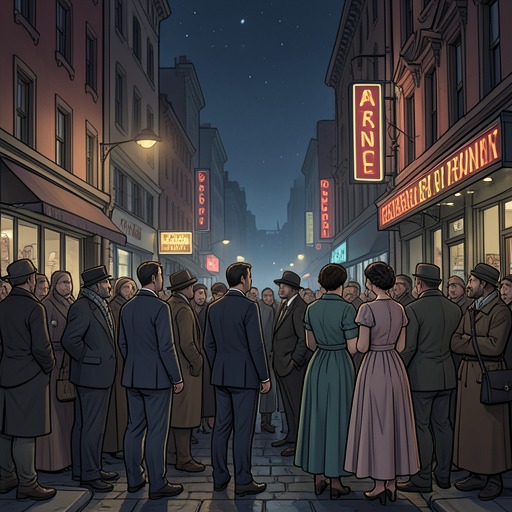
At the Chicago Stadium performance, the band’s emotional history surfaced through the act of performing. During “Honeycomb,” Daisy says that for three minutes she forgot the crowd of twenty thousand and sang to the man she loved. Billy later described the significance of the song and its timing without resolving whether he understood, in that moment, that he was losing her. Near the end, Daisy saw Camila Dunne at the side of the stage. Daisy’s account connects the show to what followed: she later said she left the band because Camila asked her to, and that leaving was the best thing she had done for herself. The available accounts establish that connection without detailing the conversation between the two women.
The Departures and the Tour’s End
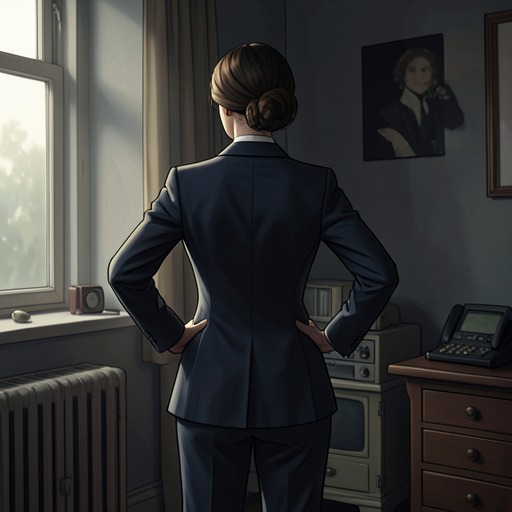
The next morning, Rod Reyes found that Daisy was gone. She had left a note saying that she had left the band and would never return. Her departure was followed by other fractures rather than a collective attempt to carry on. Billy went onto the white bus and announced that he was taking a break from touring. Rod concluded that he could not fulfill the tour without either Billy or Daisy, so he canceled the remaining dates.
The group was also losing members for reasons that had developed independently of Daisy’s exit. Graham Dunne and Karen could not bear to be in the same room, much less speak to one another. Pete had decided he was leaving regardless of what happened. Eddie Loving reacted angrily to a career in which, as he saw it, Billy dictated the terms. Eddie insisted that money could not make him accept a lack of say in his own career. These were not minor disagreements that could be set aside for the next show: they concerned who had authority, who would remain, and whether the members could continue working together at all.
Rod saw the situation as a chain of simultaneous withdrawals. Daisy was missing, Billy wanted to shut down the operation, Pete was leaving, Eddie would not work with Billy, and Graham and Karen would not speak. Rod asked Graham to reason with Billy, but Graham refused to intervene. Warren Rhodes, by contrast, recalled that he did not feel caught up in anyone’s dispute. He could recognize that the band had had a good run, while accepting that there might be nothing he could do to keep it going. The difference between Warren’s resignation and Rod’s scramble to salvage the tour underscores how little common purpose remained.
Billy’s Decision and the Band’s Dissolution
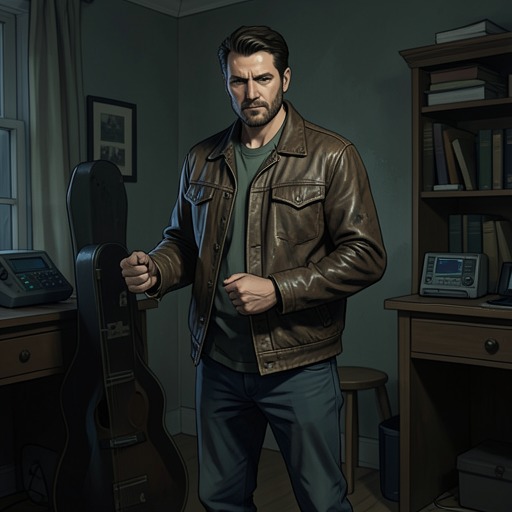
Billy’s explanation centers on what he believed the band could no longer replace. He did not know how to make a good album without Teddy Price, and he did not know how to make a hit album without Daisy. In his view, continuing without either of them was not viable; continuing with the costs already incurred was not acceptable either. His reasoning joins artistic dependence to personal limits: the band’s music relied on people who were no longer available to it, while the price of keeping the enterprise alive had become too high for him.
Billy turned to the people on the bus and announced that the whole thing was over. No one in the band—not Graham, Karen, Eddie, Pete, Warren, or Rod—tried to change his mind. The absence of an objection is the decisive collective act in the breakup. Billy gives the declaration, but the silence around it shows that the others, despite their different reasons and positions, have reached the point where continuation no longer commands their allegiance.
Karen later compared Daisy’s departure to a Ferris wheel stopping and everyone getting off. The image captures more than one person leaving: the band’s motion, sustained by touring and shared work, ceases, and each member is left outside the structure that had carried them. The breakup does not erase the group’s achievements, but it ends the arrangement that made those achievements possible.
Aftermath and Significance
The Chicago Stadium show became the last time Daisy Jones & The Six played together. Nick Harris reports that they were never seen or heard performing together again after that concert. The group’s public success therefore has a sharp endpoint: stadiums and hit records give way not to a gradual decline in view, but to the sudden cancellation of the rest of the tour and a silence that lasts.
For Daisy, leaving marks the beginning of a different course rather than simply the loss of a band. After departing Chicago, she went directly to Simone Jackson, told her what had happened, and Simone helped her enter rehabilitation. Daisy dates her sobriety to July 17, 1979, and later connects getting clean to the changes that followed: leaving the music business, publishing books, meditating, traveling, adopting sons, and opening the Wild Flower Initiative. Her account reframes the departure as an act that helped save her, while also acknowledging that Camila’s request was what prompted it.
The breakup thus carries two outcomes that coexist without canceling each other. It ends the band’s shared career at the height of its public success, and it releases Daisy from a life she later understood as destructive to her. For Billy, it closes a group he believes cannot make its defining music without absent collaborators. For the other members, the ending arrives amid distinct conflicts and decisions, not as a single unanimous plan. Their final separation is consequently both a collective termination and a set of individual exits, with the Chicago performance remaining the point after which the band exists only in memory.